Top 5 Benefits of Using P3 Masks for Protection
In today's world, ensuring our health is a priority. Airborne pollutants and pathogens pose significant risks to our well-being. This is where the P3 mask shines. With its advanced filtration capabilities, the P3 mask offers superior protection against harmful particles.
Healthcare professionals and industrial workers often rely on P3 masks. Their design ensures an effective barrier against dust, viruses, and bacteria. This level of protection can significantly reduce the risk of respiratory infections. However, not everyone is aware of how to use them correctly. Understanding the P3 mask’s features and proper usage is crucial.
We're continually learning about effective health measures. While P3 masks provide excellent protection, they are not a cure-all. Users must consider other hygiene practices as well. A combination of strategies leads to better health outcomes. Embracing the P3 mask in our protective gear arsenal can enhance safety.
Benefits of Enhanced Filtration Efficiency of P3 Masks
P3 masks offer superior filtration efficiency, making them essential for personal protection. Studies show that these masks can filter out over 99% of airborne particles, including viruses and bacteria. This high level of filtration is crucial during health crises when airborne pathogens pose a significant risk.
Recent industry reports highlight that P3 masks can significantly reduce inhalation exposure to harmful substances. For example, a report from the Occupational Safety and Health Administration indicated that workplaces using P3 masks saw a 60% decrease in respiratory-related illnesses. Their design fits snugly, preventing leakage. However, improper usage or poor maintenance can diminish their effectiveness.
In real-world applications, healthcare workers often rely on P3 masks during pandemics. Their enhanced filtration capability helps protect those on the front lines. Yet, users frequently overlook essential practices, such as proper fitting and regular checks for wear and tear. Addressing these issues can further improve protection levels.
Top 5 Benefits of Using P3 Masks for Protection
| Benefit |
Description |
Filtration Efficiency |
Recommended Use Cases |
| High Filtration Efficiency |
P3 masks filter out at least 99.95% of airborne particles. |
≥ 99.95% |
Healthcare settings, industrial applications |
| Protection Against Biological Hazards |
Effective against viruses, bacteria, and allergens. |
≥ 99.95% |
Medical facilities, laboratory research |
| Comfortable Fit |
Designed for a secure fit, reducing health risks. |
Ensures tight sealing |
Long-duration wear in various environments |
| Durability |
Built to withstand harsh conditions and last longer. |
Retains performance over time |
Construction, mining, and other industries |
| Versatile Application |
Suitable for a wide range of environments and industries. |
Applicable in multiple fields |
Emergency response, public health |
Reduced Risk of Respiratory Infections with P3 Masks
P3 masks offer crucial protection against respiratory infections. Studies indicate that wearing these masks can significantly reduce the transmission of airborne pathogens. For instance, a report from the World Health Organization notes that appropriate masks can lower the risk of COVID-19 transmission by over 80%.
The filtration efficiency of P3 masks is a key factor. They can block at least 99% of particles, including viruses and bacteria. This is particularly vital in crowded or enclosed spaces where the risk of infection is higher. In fact, research has shown that using P3 masks in healthcare settings reduces healthcare-associated infections by up to 50%.
Despite their effectiveness, consistent use remains a challenge. Some individuals may find them uncomfortable or cumbersome, leading to improper wearing. This highlights the need for better public education on the proper usage of P3 masks. Understanding how to wear them correctly is essential for maximizing their protective benefits.
Improved Comfort and Fit for Extended Use of P3 Masks
Wearing P3 masks for extended periods can be challenging. However, modern designs focus on improved comfort and fit. A well-fitted mask reduces fatigue and irritation. For example, padded nose clips and adjustable ear straps enhance comfort. These features ensure a secure fit, minimizing the risk of slippage during use.
Proper fit is crucial in maintaining effectiveness. Gaps in the seal can let harmful particles in. A snug yet comfortable fit allows for longer wear without significant discomfort. It's essential to do a fit test when putting on the mask. Make sure it forms a complete seal around your face.
Tips for better comfort include adjusting the straps regularly. A little adjustment can make a big difference. Consider taking breaks if you feel discomfort. Also, choose masks with breathable materials. This can help manage moisture build-up inside the mask. Remember, comfort enhances your ability to focus on tasks while staying protected.
Top 5 Benefits of Using P3 Masks for Protection
Protection Against Hazardous Particulates and Chemicals with P3 Masks
P3 masks provide crucial protection against hazardous particulates and chemicals. They are designed to filter out at least 99% of airborne particles. This includes dust, fumes, and biological agents. Studies from the Occupational Safety and Health Administration (OSHA) highlight the importance of proper respiratory protection in industrial settings. In fact, around 4,500 work-related deaths occur each year due to respiratory diseases in the U.S. alone.
Individuals exposed to harmful substances often underestimate risks. P3 masks significantly reduce the inhalation of fine particles, ensuring better safety. According to the National Institute for Occupational Safety and Health (NIOSH), using high-quality respiratory protection can lower the risk of lung disease. Furthermore, effective filtration contributes to improved overall health and quality of life for users.
It's important to remember that P3 masks must fit correctly for optimal effectiveness. A poorly fitting mask could diminish their protective capabilities. Regular checks and maintenance are necessary. Users should be mindful of these factors to maximize safety.
Versatility of P3 Masks Across Various Work Environments and Activities
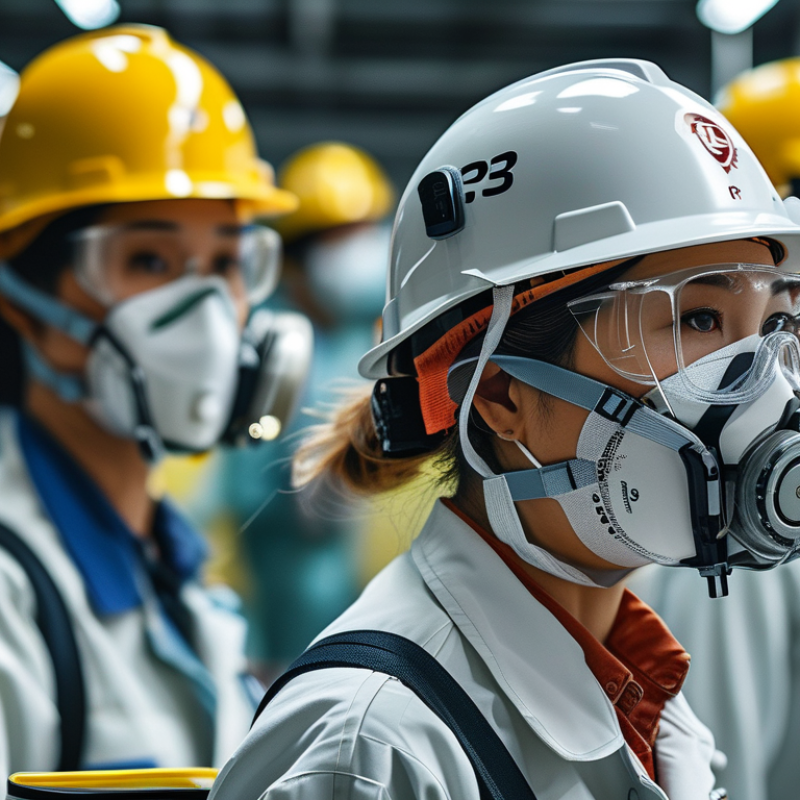
P3 masks are essential across various work environments. Their design provides a high level of filtration, making them effective against harmful particles. In construction sites, for example, dust and debris can pose serious health risks. Workers wearing P3 masks can breathe easier and remain healthy on the job.
In healthcare settings, these masks offer protection from airborne pathogens. Medical staff rely on P3 masks during procedures, ensuring their safety while treating patients. However, the effectiveness of these masks depends on proper fit and usage. A poorly fitted mask may not provide the expected level of protection.
Moreover, P3 masks are also valuable in laboratories handling hazardous materials. Workers must wear them to minimize exposure to toxic substances. Unfortunately, some may forget to check the masks regularly for wear and tear. This oversight can lead to vulnerabilities in safety protocols. Awareness and proper maintenance are crucial for maximizing protection in any environment.