Why Choose a P100 Mask for Maximum Respiratory Protection?
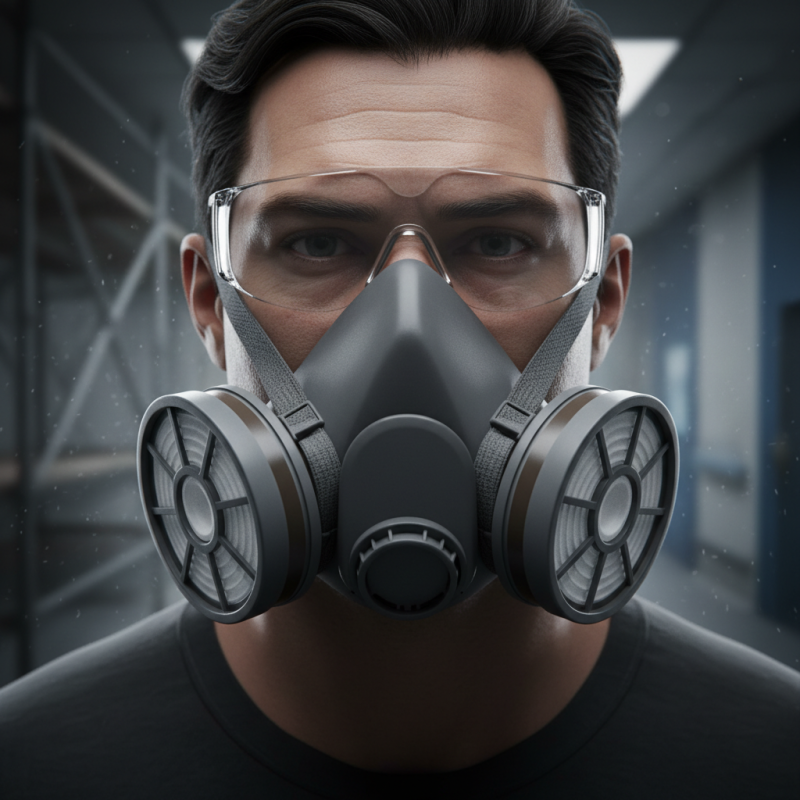
Choosing the right respiratory protection is critical in today's environment. Many experts recommend the P100 mask for its superior filtration capabilities. Dr. Emily Stanton, a leading expert in occupational safety, says, "The P100 mask provides the highest level of respiratory protection available for hazardous environments."
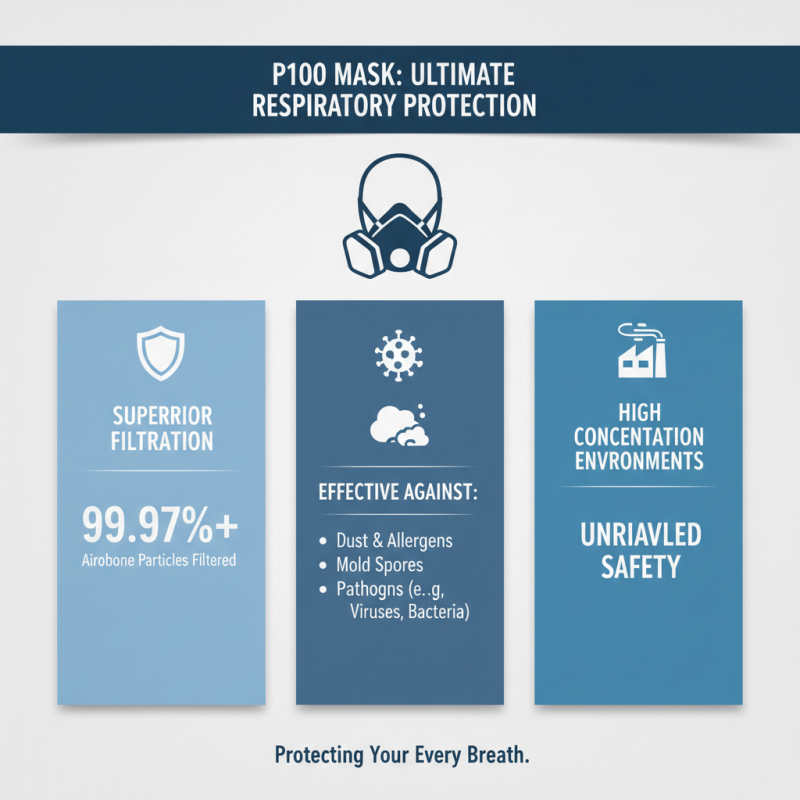
The P100 mask filters out at least 99.97% of airborne particles. This includes dust, fumes, and biological aerosols. It is essential in workplaces like construction sites or hospitals. Users often report feeling safer when wearing a P100 mask. However, some might find it uncomfortable during prolonged use.
It’s worth noting that even with a P100 mask, proper fit is crucial. A poorly fitting mask can greatly reduce its effectiveness. Many wearers overlook this detail, leading to potential exposure. Hence, understanding and selecting the right equipment matters more than ever.
Understanding the Basics of Respiratory Protection Masks
Respiratory protection masks play a crucial role in various environments. Choosing the right mask is essential for optimal safety. P100 masks filter out at least 99.97% of airborne particles. This high filtration rate makes them ideal for hazardous situations. They can provide protection from dust, fumes, and other harmful substances.
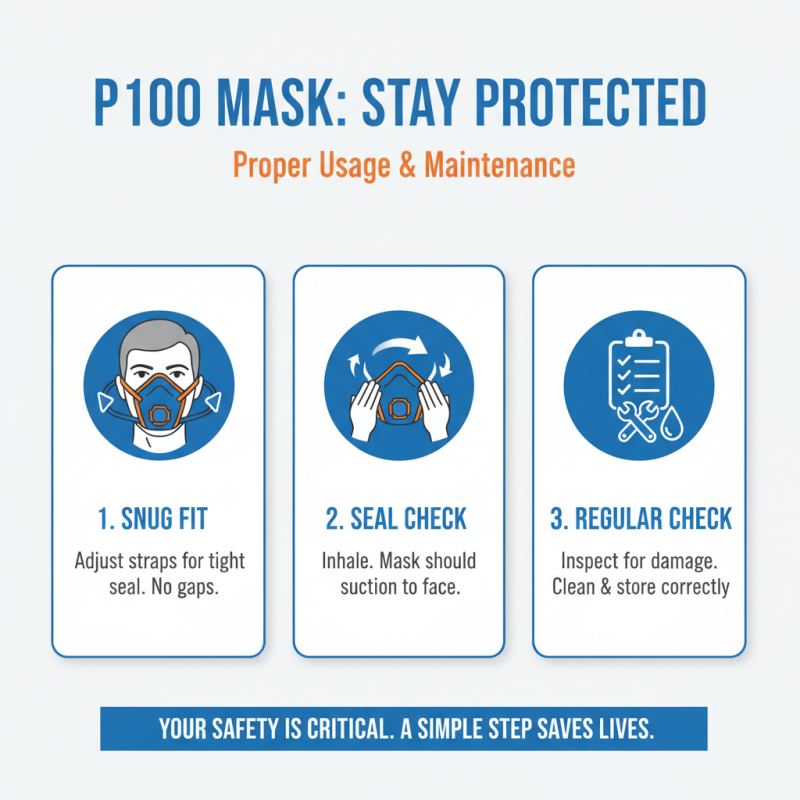
Understanding the basics can be daunting. Many factors influence mask effectiveness. A snug fit is vital. Gaps can allow contaminated air in, reducing the mask’s performance. It’s also important to consider the duration of use. Prolonged wear can cause discomfort, affecting focus and efficiency. Regular breaks can help alleviate this.
There's a misconception that all masks offer the same protection. This is not true. Some provide limited filtration capabilities. Without careful research, one might underestimate risks. It’s crucial to assess specific needs and environments. Make informed choices based on genuine understanding, rather than assumptions.
Why Choose a P100 Mask for Maximum Respiratory Protection?
| Feature |
Description |
Benefits |
| Filtration Efficiency |
Filters out at least 99.97% of airborne particles. |
Provides maximum protection against harmful particles. |
| Fit Test |
Requires proper fit testing to ensure effectiveness. |
Ensures avoidance of air leaks for better protection. |
| Usage |
Recommended for industrial, healthcare, and emergency response settings. |
Versatile use in various environments with hazardous air quality. |
| Comfort |
Available in different sizes and styles for better fit. |
Enhances user compliance and comfort during extended use. |
| Durability |
Typically designed for longer usage compared to standard masks. |
Cost-effective over time due to less frequent replacements. |
The P100 Mask: Key Features and Benefits Explained
The P100 mask is an excellent choice for respiratory protection. It filters out at least 99.97% of airborne particles. This efficiency makes it ideal for various environments. Whether you are working in healthcare or industrial settings, the P100 mask offers robust defense. Its filter captures dust, smoke, and even some viruses.
Comfort is another key feature of the P100 mask. Many designs include soft padding around the edges. This reduces irritation during prolonged use. However, finding the right fit can be tricky. A poorly fitted mask may compromise effectiveness. Regular adjustments are essential for maintaining a good seal.
Breathability is an often-overlooked benefit. Some P100 masks come with exhalation valves. These allow for easier breathing while maintaining protection. Yet, it's essential to remember that not all masks are created equal. We need to pay attention to how they perform under different conditions. Ultimately, understanding these features ensures you choose wisely for safety.
Comparing P100 Masks to Other Respiratory Protection Options
When it comes to respiratory protection, P100 masks offer superior filtration. They can filter out at least 99.97% of airborne particles. This makes them highly effective against dust, allergens, and even some pathogens. In environments with high particle concentration, the P100 mask stands out. It provides safety where other masks may fall short.
Comparing P100 masks to N95 or surgical masks reveals important differences. N95 masks filter 95% of particles but may not offer the same level of protection. Surgical masks are designed for fluid resistance, but their filtration isn't as strong. Many users might think N95 masks are sufficient for all situations, but that's not always true. The fine particles that P100 masks capture can cause significant health issues over time.
Some people might underestimate the importance of a tight seal when using masks. A poor fit reduces the mask's effectiveness, regardless of the type. It's essential to regularly check the fit and comfort of the mask. Even with top-tier protection, improper usage can lead to exposure. Therefore, it's crucial to be aware of these nuances when choosing respiratory protection.
Application Scenarios for Using P100 Masks Effectively
P100 masks provide exceptional respiratory protection in various scenarios. In industrial environments, they are vital. Workers are often exposed to hazardous dust, fumes, and airborne particles. The P100 mask filters out at least 99.97% of these contaminants, ensuring safety. For instance, construction sites or manufacturing plants often require such robust protection.
Healthcare settings also benefit from P100 masks. They protect against pathogens in the air. Medical professionals face constant exposure to aerosolized droplets. Using a P100 mask can minimize this risk significantly. However, proper fit and seal are crucial for maximum efficacy. Without this, the mask may not perform as expected.
During wildfire seasons, the air quality can deteriorate rapidly. P100 masks can be lifesavers in these situations. They filter out smoke and particulate matter effectively. Yet, individuals must be aware of their limitations. Prolonged use can be uncomfortable, and breathing resistance may increase. This might cause fatigue, especially in strenuous conditions. Regular breaks are necessary to maintain comfort and efficacy.
Why Choose a P100 Mask for Maximum Respiratory Protection?
This chart illustrates the various application scenarios for using P100 masks effectively, highlighting their importance in maximum respiratory protection across different settings.