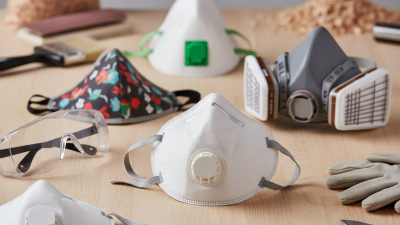
Top Tips for Choosing the Right Dust Face Mask for Safety
When it comes to protecting yourself from airborne particles, choosing the right dust face mask is crucial. Dr. Sarah Jennings, an industrial hygiene expert, emphasizes, “Not all dust face masks are created equal.” This statement highlights the importance of understanding the specific needs based on the environment and type of exposure.
Finding the right dust face mask involves more than just picking one at random. It requires careful consideration of factors such as the mask’s filtration capabilities and fit. Many people overlook the significance of a proper fit, which can greatly affect the effectiveness of the mask. A poorly fitted mask may allow harmful particles to enter, undermining its purpose.
Understanding mask types can be overwhelming. Some offer basic protection, while others provide advanced filtration. It’s essential to reflect on your own safety needs before making a choice. Evaluating your environment and usage can lead to better outcomes. Investing time in selecting an appropriate dust face mask can ultimately enhance your safety and well-being.

Understanding the Importance of Dust Face Masks for Safety
Dust face masks play a critical role in safety, especially in environments with high dust exposure. These masks filter harmful particles that can affect respiratory health. Choosing the right mask is essential to ensure maximum protection. It is important to understand the specifications and effectiveness of various masks available.
Many people underestimate the risks associated with dust inhalation. Fine dust can cause long-term health issues, including respiratory diseases. The mask’s fit and filtration efficiency matter greatly. A poorly fitting mask does not offer adequate protection. In situations like construction and woodworking, the quality of the mask becomes even more crucial.
Proper education on mask usage can also be lacking. Some may not realize that a mask should be worn consistently in dusty areas. Reflecting on personal experiences can highlight the importance of proper usage. For instance, forgetting to wear a mask during a dusty project can lead to immediate discomfort. Awareness and proactive choices can make a significant difference in safety.
Top Tips for Choosing the Right Dust Face Mask for Safety
| Tip No. |
Criteria |
Description |
Recommended Level |
| 1 |
Filtration Efficiency |
Select masks with at least 95% filtration efficiency to ensure adequate protection. |
N95 or higher |
| 2 |
Comfort Fit |
Choose a mask with adjustable ear loops or nose bridge for a secure fit. |
Customizable fit |
| 3 |
Material Quality |
Opt for masks made of durable, breathable materials to ensure safety and comfort. |
Multiple layers |
| 4 |
Exhalation Valve |
Consider a face mask with an exhalation valve for easier breathing during heavy activity. |
With valve |
| 5 |
Regulatory Compliance |
Ensure the mask meets regulatory standards (e.g., ASTM, NIOSH) for safety assurance. |
Certified |
Types of Dust Face Masks: Choosing the Right Fit for Your Needs
When selecting a dust face mask, understanding different types is vital. N95 respirators and surgical masks are commonly used for airborne dust protection. An N95 mask filters at least 95% of particles, offering optimal safety during tasks like sanding or woodworking. According to the CDC, these respirators have proven effective against fine particulate matter, making them a reliable choice for many work environments.
Fit is crucial when choosing a mask. An ill-fitting mask can lead to air leaks, reducing its protective capabilities. Studies highlight that a mask's efficiency can drop significantly if not sealed properly around the face. Additionally, wearing a mask with a comfortable fit encourages consistent use, which is essential for safety. A snug fit can also enhance protection against allergens and harmful dust in various industries.
Choosing the right mask also requires considering activity levels. Some masks are better suited for high-exertion tasks, where a breathable design helps maintain comfort. Research indicates that workers can experience fatigue and discomfort from tight-fitting masks, leading to potential lapses in safety. Evaluating specific needs, such as breathability and protection level, ensures effective dust management and worker health.
Key Features to Look for in a Safe Dust Face Mask
Choosing the right dust face mask is crucial for safety, especially in workplace environments. When selecting a mask, consider the filtration efficiency. A properly rated mask can filter out fine particulates and allergens, protecting your respiratory system. Look for masks that comply with relevant safety standards.
Breathability is another important feature. Masks should fit snugly but allow for comfortable airflow. A mask that restricts breathing can lead to discomfort and ineffective use. It’s also vital to evaluate the material. High-quality, hypoallergenic fabrics minimize skin irritation and enhance comfort during extended wear.
Adjustability is key. Masks with adjustable straps can provide a better fit for different face shapes. This prevents gaps that may let dust and particles in. Regularly inspect masks for wear and tear, as damaged masks are less effective. Safety is paramount; a mask that does not fit properly can provide a false sense of security. Always prioritize safety when choosing a dust face mask.
How to Properly Use and Maintain Your Dust Face Mask
When using a dust face mask, proper fit is crucial for effectiveness. A mask should create a seal around your face, preventing dust from entering. Adjust the straps to ensure a snug fit. If there’s any gap, you risk inhaling harmful particles. Test the seal by inhaling sharply; the mask should collapse against your face.
Maintenance is equally important. Regularly inspect your mask for wear and tear. Look for any holes or compromised materials. Discard any mask that appears damaged. Storing masks in a clean, dry place extends their lifespan. Avoid folding or crushing them, as this can affect their shape and performance.
Remember to clean reusable masks according to the manufacturer’s guidelines. Washing helps remove particulates and prolongs their usability. If your mask has a filter, replace it as recommended. Keeping track of these details enhances your protection and overall safety. Continuous evaluation of how your mask performs can lead to essential insights for improvement.
Top Tips for Choosing the Right Dust Face Mask for Safety
This chart illustrates the effectiveness of various types of dust face masks based on filtration efficiency and comfort level. Understanding these factors can help users choose the right mask for their needs.
Common Mistakes to Avoid When Selecting a Dust Face Mask
When selecting a dust face mask, many people often overlook crucial details. One common mistake is prioritizing style over functionality. A mask might look good, but if it doesn’t fit snugly, it won’t provide adequate protection. Gaps around the edges allow dust and allergens to enter, compromising safety.
Another frequent error is ignoring the material used in the mask. Some masks are made from low-quality fabrics that may not filter particles effectively. Checking for certifications like N95 or P100 can guide you to reliable options. It’s also important to consider your specific needs. A mask for woodworking projects may differ from one for exposure to allergens.
Additionally, many users forget about proper maintenance. Regularly cleaning or replacing masks is essential for their effectiveness. Neglecting this can lead to a buildup of harmful particles, rendering the mask useless. Choosing the right dust face mask involves more than just picking one off the shelf. Thoughtful consideration of these factors can greatly enhance safety and prevent health risks.