10 Essential Tips for Choosing the Right Respirator Mask
Choosing the right respirator mask is crucial for safety. With various options available, it can be overwhelming. A respirator mask protects against harmful airborne particles. This guide offers essential tips to help navigate that selection process.
Firstly, consider the type of task you will perform. Different masks cater to different environments. For instance, some are designed for dust, while others filter out gases. Knowing your needs is foundational.
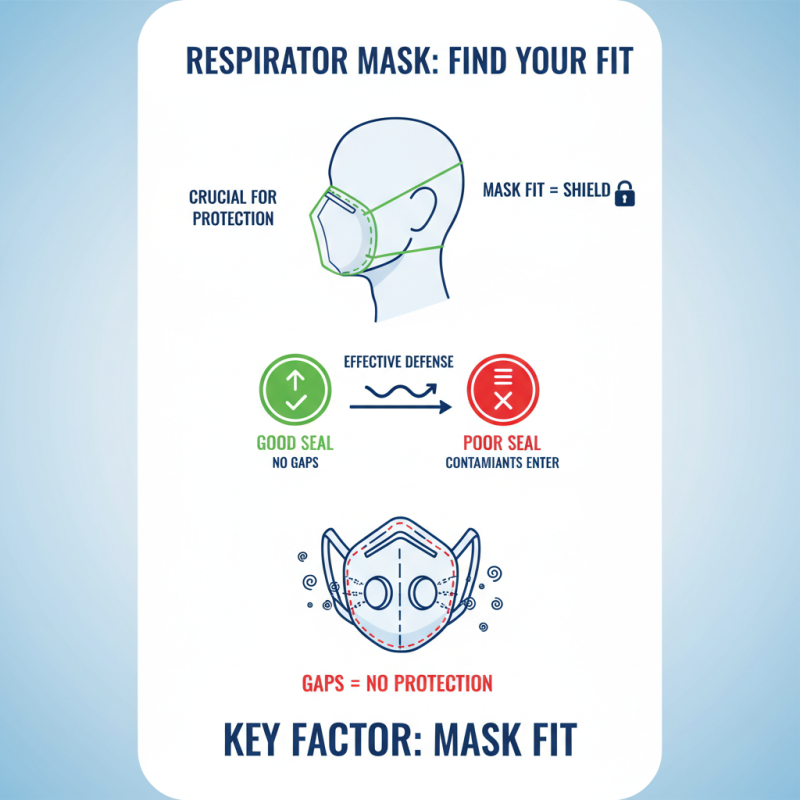
Also, ensure a proper fit. A mask that does not fit well will not provide adequate protection. It may leave gaps, allowing contaminants to enter. Don't underestimate the importance of comfort. A snug, comfortable mask is easier to wear consistently. Remember, a poor choice can compromise your health. Use this guide to make informed decisions. Your safety matters.
Understanding Different Types of Respirator Masks Available in the Market
When choosing a respirator mask, it’s crucial to understand the different types available. There are various designs, each serving specific purposes. For instance, N95 masks filter out at least 95% of airborne particles. They’re ideal for healthcare settings but can be uncomfortable for extended wear. Another type is the half-mask respirator, which covers the nose and mouth. These masks use replaceable filters, offering more flexibility in varying conditions.
While evaluating respirators, consider comfort and fit. A well-fitting mask ensures optimal protection. Poorly fitting masks can allow particles to enter. Some users find masks too tight or loose, which can be a frustrating experience. Full-face respirators offer the highest level of protection but may feel heavy and cumbersome.
Weigh the pros and cons carefully. Users might need to try different masks to find a balance between comfort and safety. Understanding these options can significantly impact health outcomes.
Assessing the Specific Hazards and Risks in Your Environment
When assessing the specific hazards in your environment, consider various factors. Airborne particles, chemicals, and biological agents can pose different risks. The National Institute for Occupational Safety and Health (NIOSH) reports that airborne particles are a major concern in industries like construction and agriculture. Data shows that workers exposed to fine particles have a higher risk of respiratory diseases.
Understand the nature of your work environment. For example, dusty conditions require masks that filter particulate matter. Chemical exposure necessitates a respirator capable of filtering gases. Research indicates that 55% of respiratory-related health issues stem from inadequate protection. Yet, many workers underestimate their exposure risk.
Evaluate your specific needs. Look at the tasks you perform daily. Engage regularly with safety personnel to ensure you have the right equipment. Mask fit can vary widely among individuals, affecting efficiency. Additionally, studies highlight that around 30% of users do not wear masks correctly, reducing protection effectiveness. Reflection on these aspects is crucial for staying safe at work.
10 Essential Tips for Choosing the Right Respirator Mask
| Tip |
Hazard Type |
Recommended Respirator |
Additional Considerations |
| Assess the environment |
Dust, Fumes |
N95 Respirator |
Ensure fit is secure |
| Identify chemicals present |
Volatile Organic Compounds |
Half-Face Respirator with Chemical Cartridges |
Check compatibility with chemicals |
| Check for NIOSH certification |
Biological Agents |
N100 Respirator |
Required for healthcare settings |
| Consider comfort and fit |
Workplace Dust |
Disposable Respirator |
User testing is advisable |
| Look for adjustable features |
Chemical Exposure |
Full-Face Respirator |
For enhanced sealing |
| Assess duration of use |
Long-term or Short-term Exposure |
Reusable Respirator |
Regular maintenance required |
| Evaluate air flow and breathing resistance |
High Particulate Environments |
Powered Air-Purifying Respirator (PAPR) |
Useful for long durations |
| Review training resources |
General Safety |
Any certified respirator |
Training improves effectiveness |
| Check for maintenance and storage |
All Work Environments |
All respirators |
Proper storage prevents damage |
| Stay updated on regulations |
Various Workplace Risks |
Industry-specific respirators |
Compliance is essential |
Evaluating Mask Fit: Importance of Proper Sizing and Seal
Finding the right respirator mask is crucial for effective protection. One key factor is mask fit. A mask that does not fit well will not provide the intended level of protection. The seal is the first line of defense against harmful particles. If the mask has gaps, contaminants can easily enter.
When selecting a mask, conduct a fit test. This can be done by placing the mask on your face and inhaling sharply. If the mask collapses against your face, it is fitting well. If not, you may need a different size or model. Adjusting the straps can also enhance the seal. Remember, comfort and fit are closely related. A mask that feels uncomfortable may not be providing a proper seal.
Consider your facial features, too. Facial hair can interfere with the mask's seal. Even small gaps can reduce effectiveness. If you wear glasses, they can fog up. This may distract you from noticing inadequate fits. Finding the right mask takes time and patience, but it is essential for safety.
Features to Consider: Filters, Valves, and Respiratory Protection Ratings
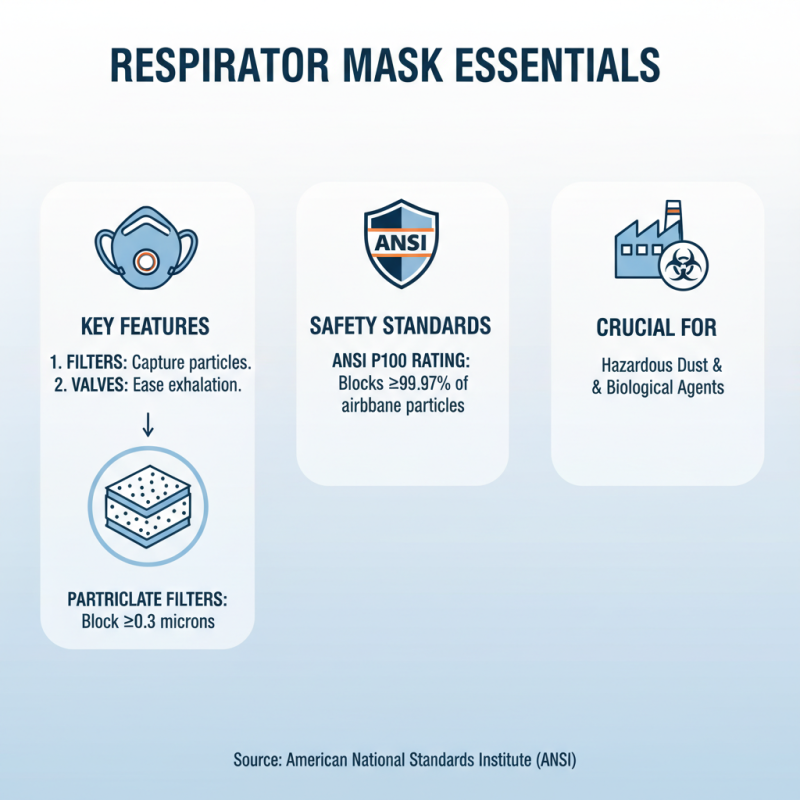
When choosing a respirator mask, understanding features like filters and valves is crucial. Filters play a vital role in ensuring respiratory safety. For instance, particulate filters can capture particles as small as 0.3 microns. According to the American National Standards Institute (ANSI), masks with a P100 rating block at least 99.97% of airborne particles. This is particularly important in environments with hazardous dust and biological agents.
Valves can enhance comfort but have trade-offs. A mask with an exhalation valve can reduce heat and moisture buildup inside the mask. However, these may not provide adequate protection in certain situations, such as during a pandemic. Reports indicate that masks without valves generally provide better filtration effectiveness, especially in preventing the spread of aerosols.
It's also essential to consider the fit of the mask. A poorly fitting mask can compromise protection, regardless of its rating. A study by the Centers for Disease Control and Prevention (CDC) highlights that fit testing is essential. Masks that do not create a proper seal can allow contaminants to enter. Ultimately, selecting the right respirator mask involves assessing these features carefully for optimal safety and comfort.
Guidelines for Maintenance and Replacement of Respirator Masks
Proper maintenance of respirator masks is crucial for ensuring their effectiveness. Regular inspections can help identify wear and tear. Data indicates that improper maintenance can lead to respiratory protection failure in 30% of cases. Frequent checks should include examining straps, filters, and seals for any signs of damage. If a mask has visible wear, replace it immediately.
Replacing respirator masks is a necessity, but guidelines can vary. NIOSH recommends that cartridges and filters should be changed based on usage and environment. For instance, if you work in high-particulate areas, a change every few days may be essential. A survey found that only 40% of workers knew when to replace their masks. This lack of awareness can jeopardize safety.
Cleaning is also vital. A clean mask ensures comfort and functionality. Use mild soap and water for cleaning. Avoid harsh chemicals that can degrade materials. Masks should be soaked, scrubbed, and thoroughly rinsed, then air-dried away from sunlight. This maintenance can extend mask life significantly. Regular training on maintenance practices can improve compliance among users and enhance overall safety.
Respirator Mask Selection: Key Factors
This chart illustrates the importance of various factors when choosing a respirator mask. The data reflects common considerations and their significance based on user feedback.