Essential Dust Mask Tips for Protection and Safety?
Dust masks are essential for protection in various situations. Whether you are woodworking, painting, or in a dusty environment, a dust mask can safeguard your lungs. The right dust mask reduces inhalation of harmful particles. However, many people choose the wrong type or wear it incorrectly.
Understanding how to select and wear a dust mask is crucial. Different masks offer different levels of protection. Some masks filter out certain particles, while others are more basic. A poorly fitted mask may let dust in. Take time to ensure that your mask fits snugly. This requires occasional adjustment and a good seal.
It’s not just about having a dust mask; it’s about using it properly. Some individuals forget to wear one until it’s too late. Staying informed will help maintain your health. Regularly replacing old masks is also important. A mask that has seen better days can do more harm than good. Reflecting on these elements can ensure effective protection.
Understanding the Importance of Dust Masks for Health and Safety
Dust masks play a crucial role in protecting our health. Dust particles can lead to serious respiratory issues. According to the World Health Organization, air pollution causes about 4.2 million premature deaths each year. This staggering number highlights the importance of wearing effective dust masks.
Many people underestimate the hazards of dust exposure. Regular use of masks can significantly reduce health risks. A study by the American Journal of Respiratory and Critical Care Medicine found that those wearing masks in dusty environments experienced fewer respiratory problems. It’s not just about protection; it’s about ensuring a healthier future.
Choosing the right dust mask matters. A poorly fitting mask can do more harm than good. Reports show that nearly 30% of individuals wear masks incorrectly. This reduces their effectiveness. It’s vital to ensure the right size and fit for optimal protection. Awareness and education are essential in this fight against dust-related health threats.
Types of Dust Masks: Choosing the Right One for Your Needs
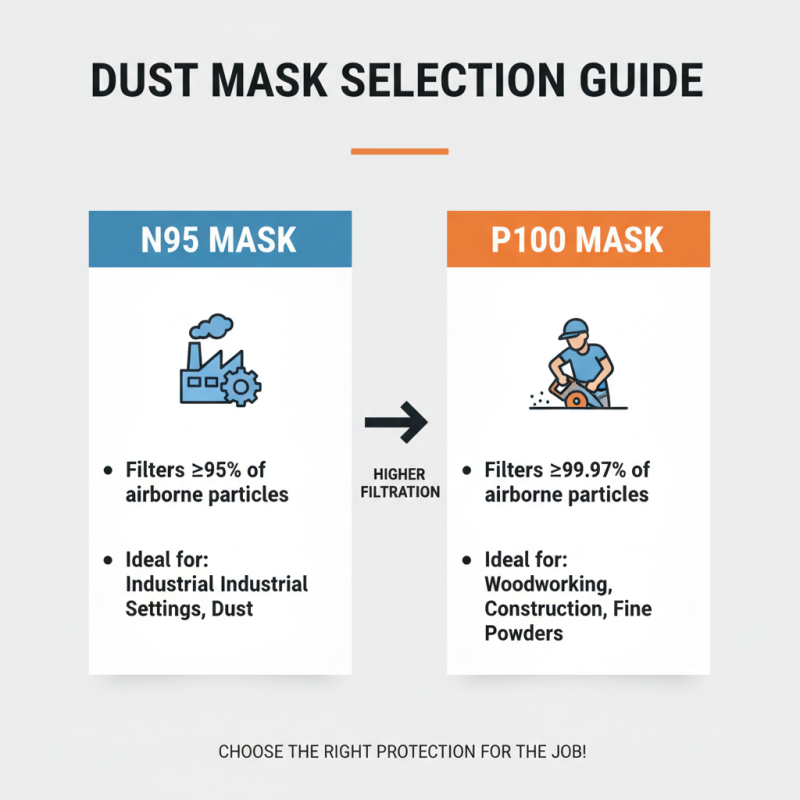
When choosing the right dust mask, consider the specific protection you need. Various types of masks are available, each designed for different tasks. N95 masks filter out at least 95% of airborne particles. They are ideal for use in industrial settings. For woodworking or construction, a P100 mask offers even higher filtration.
Tips: Always check the mask's fit. A snug fit prevents particles from entering. Adjust the nose piece and straps for comfort. Regularly inspect your mask for damages or wear. Replacing masks often is vital for effective protection.
Understanding your environment is key. If you're in a space with harmful dust, select a mask specifically rated for that exposure. According to the U.S. Occupational Safety and Health Administration (OSHA), improper mask use can reduce effectiveness. Over time, many users forget to replace their masks, risking their health.
Tips: Stay informed about safety guidelines. Familiarize yourself with local regulations on dust mask use. Education increases safety and minimizes risks. Always prioritize your well-being when working in dusty conditions.
How to Properly Fit a Dust Mask for Maximum Protection
Fitting a dust mask properly is crucial for effective protection. A loose mask does little to filter harmful particles. Start by choosing the right size for your face. Measure your face from the bridge of your nose down to your chin. This simple step helps in selecting a mask that seals well.
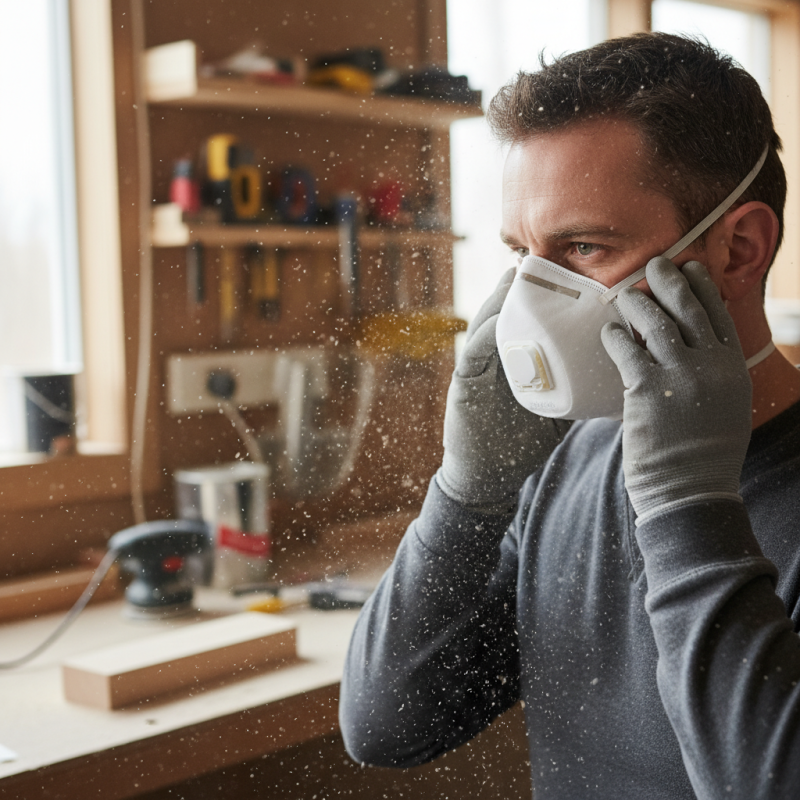
When putting on the mask, adjust the straps carefully. They should be snug but not too tight. You should not feel discomfort when wearing it. A good seal is essential. Check for air leaks by covering the front of the mask with both hands and inhaling gently. If the mask pulls in, it’s fitted correctly. If not, readjust it until you feel a secure fit.
Cleaning your mask regularly is also important. Dirt and oils can affect how well it functions. After use, inspect the mask for damage. If it has tears or is warped, it may need replacing. Remember, a dust mask is only as effective as how well it fits. Each time you wear it, reassess your fit and comfort.
Essential Dust Mask Tips for Protection and Safety - How to Properly Fit a Dust Mask for Maximum Protection
| Tip |
Description |
Importance Level |
| Choose the Right Mask |
Select a mask suitable for the specific type of dust or particles you will encounter. |
High |
| Check for Certification |
Ensure the mask meets local safety standards such as N95 or FFP2 ratings. |
High |
| Fit Testing |
Conduct fit tests to ensure that the mask forms a proper seal around your face. |
Very High |
| Adjust Straps Properly |
Adjust ear loops or head straps for a snug fit without discomfort. |
Medium |
| Avoid Facial Hair |
Facial hair can prevent a proper seal; clean-shaven faces ensure better protection. |
High |
| Check for Breathing Resistance |
Ensure that the mask allows for easy breathing while still being effective. |
Medium |
| Proper Storage |
Store masks in a clean, dry place to avoid contamination before use. |
Medium |
Essential Maintenance Tips for Dust Masks to Ensure Longevity
Dust masks are essential for protecting yourself in environments with airborne particles. To ensure these masks last, proper maintenance is crucial. Regularly inspect your mask for any signs of wear or damage. A torn strap or a bent nose clip can compromise its effectiveness. If you notice any defects, it's better to replace the mask.
Cleaning is another key factor. Some masks can be washed, while others should be replaced after use. If your mask is reusable, follow the manufacturer's instructions for cleaning. Use mild soap and warm water. Allow it to air dry completely before using it again. Don't store wet masks; moisture can lead to mold growth.
Make sure to store your masks in a clean, dry place. Avoid keeping them in your pocket or car, as dirt and germs can accumulate. This could defeat the purpose of the mask. Remember, a well-maintained dust mask is more effective. And yet, many forget these simple steps. We often take them for granted until it’s too late. Reflecting on your mask maintenance routine can make a significant difference in your safety.
Situations Requiring Dust Mask Use: A Safety Guide
When engaging in activities that generate dust, a dust mask is essential. Construction sites, woodworking, and even gardening can stir up particles that harm your lungs. A simple dust mask can be your first line of defense. Make sure it fits snugly over your nose and mouth. Any gaps can let harmful particles in.
Consider also the environment you work in. If you're involved in activities like sanding or sweeping, dust is inevitable. In those cases, wearing a mask should be a given. You might feel discomfort after long hours, but that's a small price for safety. Don't underestimate the value of your health.
Sometimes, even when we think we are protected, we aren’t. Improper usage or neglecting to wear a mask can lead to serious issues later. It’s easy to forget in the moment, but remember that your health matters. Reflect on when you've skipped wearing one, and the potential risks you faced.