[wpml_language_selector_widget]

China Top 10 CBRN Gas Mask Suppliers for Global Buyers

Choosing a reliable cbrn gas mask supplier requires more than comparing prices or reviewing polished product photos. Global buyers need evidence of quality, testing, traceability, and responsible manufacturing. This guide introduces ten leading Chinese suppliers serving professional safety markets, with attention to product consistency, export experience, and documentation.

A dependable supplier should explain its materials, filtration design, face-seal options, and quality-control process clearly. Buyers may also examine laboratory reports, conformity documents, production capacity, and after-sales support. Factory audits can reveal practical details, such as clean assembly areas, sealed packaging, and batch labels that remain readable after transport. These details matter.

No supplier ranking is flawless. Market information changes, certifications may expire, and online claims sometimes lack context. Buyers should verify current documents with the manufacturer and relevant testing bodies before placing an order. They should also confirm that the selected cbrn gas mask matches local regulations, workplace risks, storage conditions, and trained-user requirements.

This article does not replace professional safety advice or regulatory review. It offers a structured starting point for responsible sourcing. Supplier communication, sample inspection, and independent verification remain essential. A low price can be attractive. It may not reflect long-term reliability.

The strongest purchasing decisions usually combine technical evidence with practical experience. Delivery records, transparent communication, and consistent batch quality can be as important as product specifications. Some information may remain incomplete, especially for private manufacturers. That limitation deserves attention, not concealment.
China Top 10 CBRN Gas Mask Suppliers for Global Buyers

What Are CBRN Gas Masks and Why Do Global Buyers Need Them?

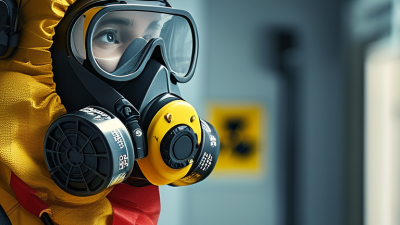
CBRN gas masks protect the wearer from selected chemical, biological, radiological, and nuclear hazards.

They usually combine a facepiece, filter, and tight seal. However, they do not create oxygen. A depleted-air environment requires supplied-air equipment, not a standard air-purifying mask.

The United States National Institute for Occupational Safety and Health (NIOSH) requires CBRN respirators to pass specialized laboratory tests against defined challenge agents. Certification is product-specific, not a general claim for every mask.

OSHA’s Respiratory Protection Standard, 29 CFR 1910.134, requires fit testing before use and at least annually afterward. Small leaks matter. Facial hair, damaged straps, or a wrong size can reduce protection sharply.

Global buyers also face a wider workplace risk. The International Labour Organization reported about 2.93 million work-related deaths worldwide in 2019, including deaths linked to hazardous exposures. That figure does not measure CBRN incidents, but it shows why respiratory protection needs documented controls.

Buyers should request current test certificates, filter shelf-life data, breathing-resistance results, and clear storage instructions. Training should include seal checks and realistic emergency drills.

A mask can look impressive and still fail a user who cannot breathe comfortably or communicate. This point is often underestimated. Supplier claims deserve independent verification, especially when translated across markets.
How to Evaluate CBRN Gas Mask Suppliers and Product Standards

China Top 10 CBRN Gas Mask Suppliers for Global Buyers

How to Evaluate CBRN Gas Mask Suppliers and Product Standards

Choosing a CBRN gas mask supplier requires more than comparing prices. Buyers should examine certification scope, test methods, and production consistency. A valid certificate must match the exact mask, filter, and configuration offered. Standards such as EN 136, EN 14387, and relevant NIOSH requirements may apply, depending on the destination market. Certification is not a universal approval.

Ask suppliers for complete technical files, laboratory reports, material specifications, and batch traceability records. Check whether the factory controls face-seal dimensions, visor clarity, valve performance, and filter shelf life. Request recent quality records, not only polished brochures. A reliable supplier should explain how it handles failed inspections and corrective actions. Site audits or independent pre-shipment inspections add useful evidence. Product testing alone is insufficient; user fit and training also affect protection.

Tips: Compare like-for-like configurations. Confirm filter compatibility, storage temperature, replacement intervals, and minimum order terms. Test several sizes with real users before purchasing. Do not assume one successful sample represents every batch. I have seen procurement decisions focus heavily on certificates while overlooking comfort and communication. That mistake can reduce actual wearing time. Requirements should be reviewed with qualified safety professionals and the importing country’s authorities.

CBRN Gas Mask Evaluation: Particle Filtration Benchmarks

The chart compares published minimum particle-filtration efficiencies used in major respirator standards. NIOSH P100 requires at least 99.97% filtration, EN 143 P3 at least 99.95%, EN 149 FFP3 at least 99%, and NIOSH N95 at least 95%. Particle filtration alone does not confirm protection against chemical or biological hazards; buyers should also verify CBRN approval, gas and vapor testing, fit testing, manufacturing quality, and certification validity.

China’s Top 10 CBRN Gas Mask Suppliers for International Buyers

China’s Top 10 CBRN Gas Mask Suppliers for International Buyers

For international buyers, evaluating China’s top ten CBRN gas mask suppliers requires more than comparing prices. A professional review should examine facepiece design, filter compatibility, material quality, and production consistency. The mask should seal comfortably without excessive pressure around the nose and cheeks. Small details matter, especially during extended wear.

Reliable suppliers should provide current test reports, quality certificates, batch records, and clear storage guidance. Buyers should verify whether testing follows standards accepted in their destination market, such as relevant European, American, or national requirements. Independent laboratory evidence is more valuable than attractive product photographs. Ask about shelf life, replacement parts, packaging, and after-sales technical support.

Factory audits can reveal practical weaknesses. Check clean assembly areas, inspection equipment, worker training, and sample traceability. A polished catalog is not proof of dependable performance. I would request production samples from different batches before placing a large order. Even a technically capable supplier may communicate poorly about lead times or documentation. That risk deserves attention. International buyers should also confirm customs rules, labeling obligations, and lawful end-use requirements before shipment. No supplier assessment is complete without reviewing the mask’s fit-testing guidance and user instructions.

China Top 10 CBRN Gas Mask Suppliers for Global Buyers - China’s Top 10 CBRN Gas Mask Suppliers for International Buyers

Rank Anonymous Supplier Profile Primary Manufacturing Focus Typical CBRN Mask Configuration Filter Connection Common Materials Standards or Documents to Verify Export Readiness Indicators Recommended Buyer Check
1 Supplier Profile 01 Full-face air-purifying respirators for industrial and emergency-response use Full-face mask with panoramic visor, speech diaphragm and replaceable inhalation valves Standardized side-mounted canister interface; confirm thread and approval compatibility Silicone or EPDM face seal; polycarbonate visor; thermoplastic harness Declaration of conformity, laboratory test reports, ISO 16900 test evidence and EN 136 documentation where applicable English technical files, inspection support and export packing capability Request complete-mask test reports and verify that the filter and mask are approved as a compatible system
2 Supplier Profile 02 CBRN particulate, gas and vapor filter assemblies Full-face respirator supplied with replaceable combined filters for chemical, biological and radioactive particulate hazards Threaded side connection or manufacturer-specific canister mount; interface must be confirmed before ordering Activated carbon, high-efficiency particulate media, ABS or aluminum housing Filter classification, service-life data, EN 14387 evidence where applicable and independent performance testing Batch traceability, lot coding, shelf-life records and sealed packaging Ask for breakthrough test conditions, flow rates, humidity conditions and storage-life validation
3 Supplier Profile 03 Tactical and emergency-response respiratory protection equipment Low-profile full-face mask with adjustable five- or six-point harness Dual side ports or central port; compatibility with the specified filter assembly must be documented Silicone, coated textile straps, impact-resistant visor and corrosion-resistant hardware EN 136 or equivalent full-face-mask testing, visor impact testing and inward-leakage results Size range, user instructions and multilingual labeling available on request Conduct fit testing with the intended users and check communication performance while worn
4 Supplier Profile 04 Industrial respirators for chemical handling and hazardous-material operations Reusable full-face respirator with replaceable visor, valves and harness components Interchangeable filter port; confirm whether the connection is standardized or proprietary EPDM or silicone rubber, polycarbonate, stainless steel and molded engineering plastics Material declarations, chemical-resistance data, cleaning instructions and conformity documentation Replacement-part availability and documented quality-control procedures Verify resistance against the specific chemicals, decontamination agents and temperatures in the use case
5 Supplier Profile 05 Civil-defense and disaster-preparedness respiratory protection Full-face mask designed for rapid deployment, storage and routine inspection Side-mounted combined filter or canister; confirm airflow direction and connector dimensions Silicone or elastomeric facepiece, polycarbonate lens and molded plastic fittings Shelf-life statement, packaging validation, user instructions and applicable respiratory-protection certification Moisture-resistant packaging, lot identification and palletization suitable for international shipment Confirm storage temperature, humidity limits, inspection intervals and replacement policy
6 Supplier Profile 06 OEM and private-label production of reusable respirators Customizable full-face platform with selectable visor, harness, valve and filter options Available in more than one interface configuration; engineering drawings should be requested Silicone, EPDM, polycarbonate, ABS and textile elastic assemblies Technical construction file, change-control records, sample approval documents and inspection plan Logo-free documentation, customized packaging and pre-shipment inspection support Define ownership of molds, drawings, test reports and product changes in the supply contract
7 Supplier Profile 07 Respiratory protective equipment for laboratories and hazardous-material training Reusable full-face mask emphasizing visibility, cleanability and replaceable components Single or dual filter ports; confirm filter mass, balance and breathing resistance Smooth silicone seal, polycarbonate visor and chemically resistant elastomer valves Breathing-resistance data, inward-leakage testing, cleaning compatibility and material safety information Sample availability, inspection photographs and serialized or batch-controlled production Test cleaning, disinfection and lens-fogging performance using the buyer’s procedures
8 Supplier Profile 08 Protective masks for mining, heavy industry and emergency evacuation Full-face design with high-visibility lens and robust harness for extended wear Large-capacity side canister or threaded filter connection; confirm pressure-drop data Durable elastomer, impact-resistant visor, coated metal clips and flame-resistant textile options Impact, heat, flame and breathing-resistance test reports where such claims are made Robust carton design, spare-part lists and support for third-party inspections Separate CBRN protection claims from industrial-gas claims and request hazard-specific evidence
9 Supplier Profile 09 Emergency-response masks with accessory and replacement-component support Full-face mask with optional voice transmission, spectacle support and drinking-system provisions Central or side connection; accessory compatibility must be demonstrated during evaluation Silicone face seal, polycarbonate lens, low-temperature elastomers and molded connectors Accessory test results, spare-part specifications, user fit guidance and conformity records After-sales response process, replacement-part catalog and multilingual service documents Check that every accessory does not compromise the certified protective performance
10 Supplier Profile 10 Small- and medium-volume customized production for international distributors Standard full-face respirator platform with configurable size, seal, lens and filter options Common threaded or bayonet-style options may be available; verify dimensions and approval scope Silicone or EPDM, polycarbonate, nylon, ABS and stainless-steel components Product specification, risk assessment, batch inspection report and applicable market-entry documents Flexible sampling, carton customization and third-party factory inspection availability Use an independent laboratory to validate CBRN performance before procurement or deployment

Buyer note: “CBRN” performance is hazard-specific and should not be inferred from a general gas-mask claim. Confirm the complete mask-and-filter system, applicable destination-market requirements, fit testing, shelf life, quality records and independent laboratory evidence before purchase.

How These Suppliers Compare in Protection, Customization, and Pricing

China’s top ten CBRN gas mask suppliers differ most in certification depth, customization, and purchasing cost. NIOSH’s CBRN standard requires demanding tests for chemical-agent protection, breathing resistance, and canister performance. Compliance is not a marketing label. Buyers should request approval records, laboratory reports, and production-batch traceability.

Protection levels vary by mask design.

Full-face models usually provide wider eye coverage and better sealing than half-mask products. Some suppliers offer panoramic lenses, drinking systems, voice diaphragms, and compatible filters. Custom colors and packaging are inexpensive. Mold changes, special connectors, and new optical designs cost much more. A 2024 MarketsandMarkets report estimated continued growth in the respiratory protection market, driven by industrial safety and emergency preparedness. That growth also increases the risk of vague claims.

Pricing is less predictable than catalog pages suggest.

Basic industrial full-face units may start near 30–80 US dollars per set. Certified CBRN configurations can exceed 150 dollars, before testing, tooling, freight, and minimum-order charges. These figures are indicative, not a quotation. A low price may hide short filter life or weak documentation. I have seen buyers compare mask prices while ignoring replacement canisters, storage cases, and annual inspection costs.

Tips: Ask for a five-year total-cost sheet. Check test dates, shelf life, spare-part availability, and fit-test instructions. Request samples from different batches. Do not assume a customized mask keeps the original certification.

What Global Buyers Should Check Before Placing an Order

Before ordering from any CBRN gas mask supplier in China, global buyers should verify product purpose, user requirements, and destination-country rules. A polished catalog is not enough. Ask for current test reports, conformity documents, batch numbers, and the exact protection standard used. Confirm whether testing covered the complete mask system, including filters, valves, lenses, and seals. Do not accept vague claims such as “military grade.”

Fit matters. Request sizing data, user instructions, and evidence from practical fit testing. A mask may pass laboratory testing yet fail when facial hair, glasses, sweating, or movement affects the seal.

Buyers should also examine filter shelf life, storage temperatures, replacement intervals, and packaging conditions. Ask how the supplier controls production changes between batches. Small changes can affect performance.

Supplier reliability needs more than a factory visit. Check audit records, quality-control procedures, complaint handling, and traceability from raw materials to shipment. Independent inspection before dispatch can reveal missing accessories, damaged packaging, or incorrect labels. Confirm warranty terms, training support, spare-part availability, and response times in writing. Export documentation may require careful review by qualified compliance professionals.

Some buyers focus too heavily on price. That is understandable, but incomplete. A cheaper unit can create higher training and replacement costs. We once found that a seemingly minor documentation gap delayed an entire shipment. It was preventable. Keep written records, involve safety specialists, and reassess the supplier when evidence remains unclear.